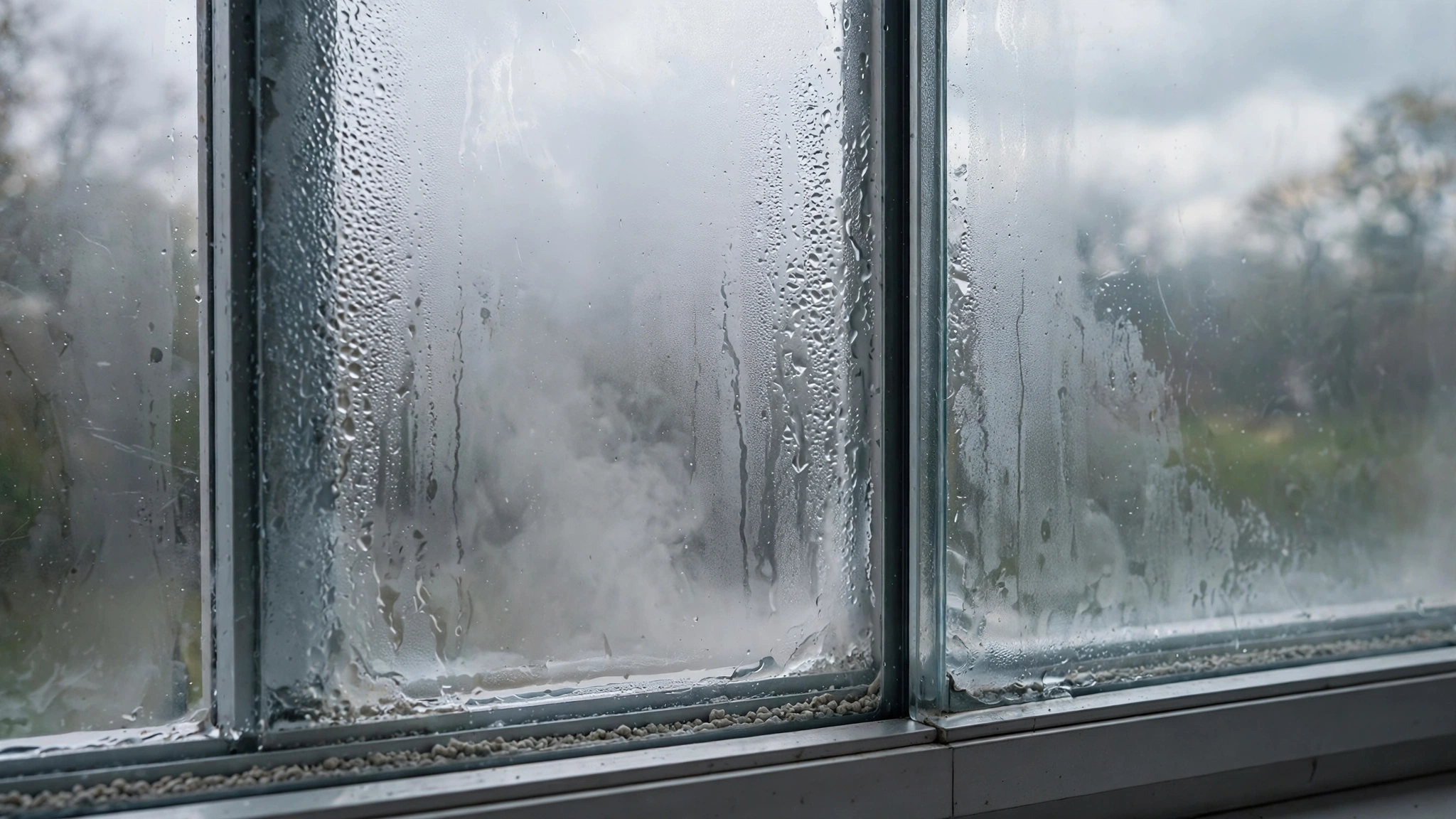
Windows look cloudy for one of four main reasons: condensation trapped between the panes of double pane glass, a mineral film left by hard water, residue from soap or household cleaners, or fine scratches in the glass surface. Each cause looks a little different and each needs a different fix, which is why identifying the source matters before you try to clean it. Scrubbing harder at a failed seal or an etched pane only wastes effort, while the wrong fix for mineral film can damage the glass further.
Foggy window glass causes confusion because several of them produce the same symptom: a haze that will not wipe away. The sections below walk through each cause, how to tell them apart with simple tests, and what actually resolves each one. By the end you will know whether your windows need a better cleaning, a stain removal treatment, or a call to a glass professional.
Condensation trapped between the panes
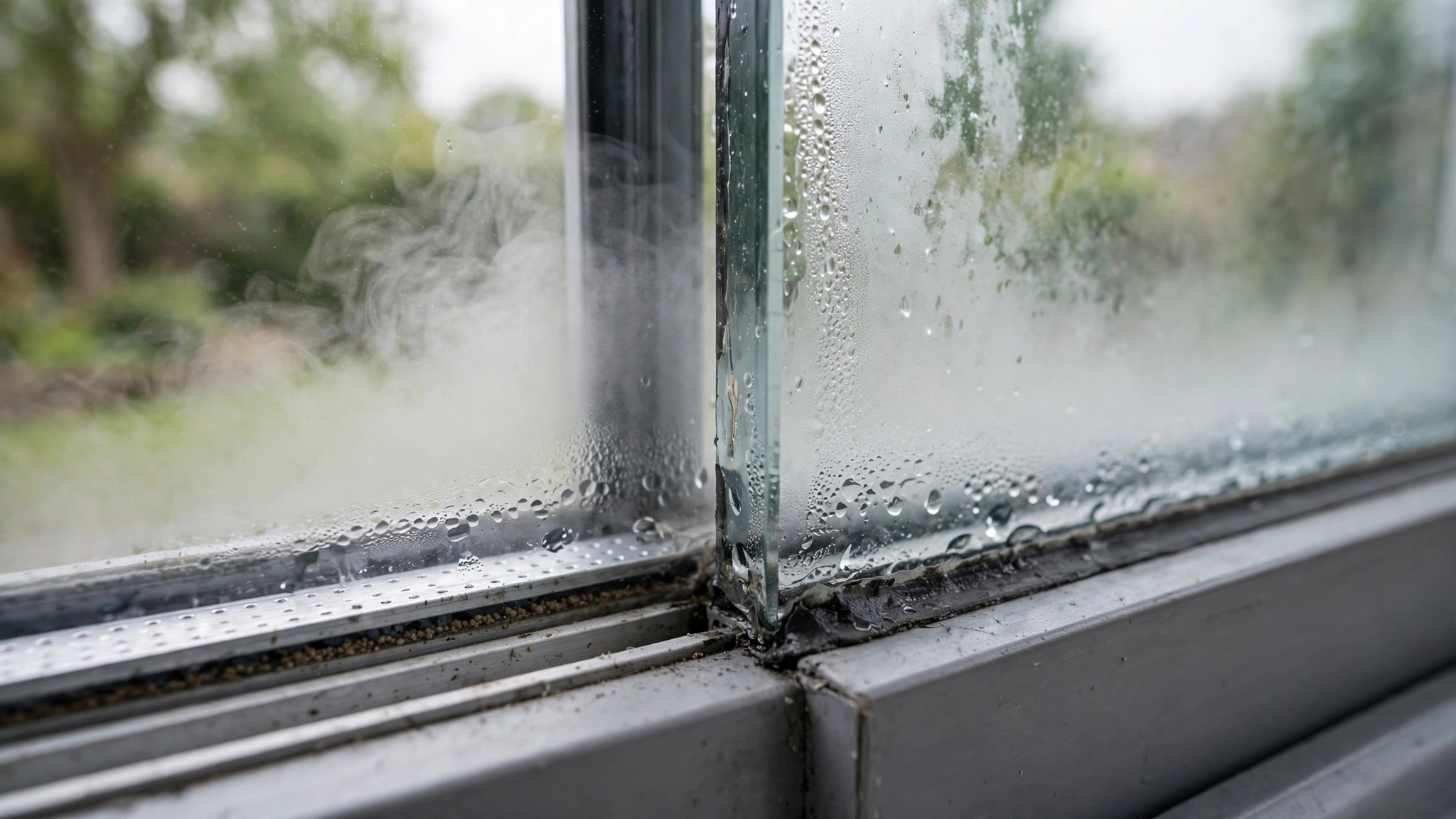
Double pane and triple pane windows are built as sealed units with a dry air or gas space between the layers of glass. That seal can fail with age, temperature swings, or manufacturing defects. Once it fails, moist air enters the space between the panes and condenses on the inner surfaces, leaving a fog that you cannot reach from either side. This is the most common reason windows look permanently cloudy even right after a thorough cleaning.
The telltale sign is fog or droplets that sit inside the window. Wipe the interior surface and the exterior surface; if the haze does not move, it is between the panes. It often comes and goes with temperature and humidity, looking worse on cold mornings and clearing somewhat on warm afternoons. Cleaning cannot fix this, because no cleaning tool can reach the sealed space. The lasting solution is replacing the glass unit itself, which a glass company can usually do while keeping your existing frames. Some companies offer defogging services that drill and vent the unit, but results vary and the seal is never truly restored, so replacement remains the reliable fix.
Hard water mineral film
The second common cause of cloudy windows is mineral film from hard water. Sprinklers that hit the glass, rain running off masonry, and well water used for rinsing all leave dissolved calcium and magnesium on the surface. At first the film is a faint white haze that wipes off with effort. Left in place through repeated wetting and sun baking, the minerals bond to the glass and etch into the surface, at which point the cloudiness becomes permanent damage rather than a deposit.
You can usually trace mineral film to a water source. Check whether a sprinkler head sprays the window, whether the haze is worse on the side of the house near irrigation, and whether the film has a chalky white look. Light film responds to professional stain removal using acidic cleaners and careful agitation, followed by a pure water rinse. Etched glass does not respond to cleaning at any strength, and anyone who tells you otherwise is selling you a second cleaning for a problem that needs glass replacement. Our exterior window cleaning service can assess which stage your glass is at before any treatment begins.
Residue from cleaners and soap
Sometimes the cloudiness is the cleaning itself. Household glass sprays used with paper towels, dish soap mixed too strong, and all purpose cleaners not meant for glass can all leave a thin film that shows as haze in direct sunlight. The film may look like faint rainbow streaks or a general dullness that moves when you wipe but never fully leaves. This is the most encouraging cause on the list, because it is entirely fixable.
The fix is a proper wash and a complete rinse. Wash with a light professional detergent or a small amount of dish soap in plenty of water, agitate with a washer sleeve, remove everything with a squeegee in smooth overlapping passes, and detail the edges where solution hides. Then rinse any remaining film away and check the glass in raking light. If you have been fighting haze with stronger and stronger products, try the opposite: less product, more water, and a squeegee instead of paper towels. Our interior window cleaning service handles the interior side where cleaner residue builds up most, since that is where household sprays get used.
Scratched or damaged glass
Fine scratches scatter light and read as cloudiness, especially when the sun hits the glass at a low angle. Common sources include abrasive scrub pads, razor blades used on dry glass, grit trapped under a squeegee, and construction debris dragged across the pane. Unlike film or fog, scratches catch a fingernail dragged lightly across the surface and show as a pattern of fine lines in reflected light.
Cleaning cannot remove scratches because the damage is in the glass, not on it. Very light surface haze from fine abrasion can sometimes be improved by professional glass polishing, but deep scratches are permanent and polishing large areas is slow, specialized work. Prevention is the real answer: never scrape dry glass, never use abrasive pads on windows, and keep gritty tools away from the panes. If your cloudiness traces back to construction work, read our guide on removing paint and construction debris from windows to understand what safe removal looks like.
How to tell which cause you have
Use these simple tests before deciding on a fix. They take a few minutes and prevent spending money on the wrong solution.
| Cause | How to tell | What fixes it |
|---|---|---|
| Failed seal | Fog between the panes that no wiping reaches; changes with temperature | Replace the glass unit |
| Mineral film | White chalky haze, often near sprinklers; improves slightly with vinegar | Professional stain removal if light; replacement if etched |
| Cleaner residue | Rainbow or streaky film in sunlight; moves when wiped | Proper wash, full rinse, squeegee instead of towels |
| Scratches | Fine lines in reflected light; catches a fingernail | Professional polishing for light haze; replacement for deep scratches |
Start with the wipe test: clean a small section properly with a squeegee and see what remains. If the haze wipes away, you had residue or light film. If it stays exactly where it was through a good cleaning, you are looking at a seal failure, etching, or scratches, and the next step is an in person assessment rather than another bottle of cleaner.
What actually fixes cloudy windows
Match the fix to the cause and stop guessing. Residue and light mineral film respond to professional cleaning and stain removal. Our residential window cleaning service includes the full wash, rinse, and detailing process that clears residue properly, and our window cleaning services cover stain assessment for mineral film. Failed seals and etched or scratched glass need a glass professional for unit replacement or polishing, which is outside window cleaning but worth knowing so you spend your money in the right place.
One honest note: no cleaner, coating, or home remedy restores a failed seal or un etches glass. Products that promise to clear fogged double pane units from the outside are selling hope, not chemistry. Identifying the cause first is what saves you from buying them.
Frequently asked questions
If your windows stay cloudy no matter how you clean them, let a professional identify the cause. Our window cleaning services include honest assessments of residue, mineral film, and glass condition. Request a free quote and we will tell you plainly whether cleaning will fix it or whether you need a glass specialist.