
For most homes and businesses, the best time to clean windows is spring or fall. Mild temperatures slow down drying so the squeegee leaves a uniform finish, pollen season can be timed instead of fought, and the glass gets attention before the harshest weather of summer or winter sets in. Any month works with the right method, but spring and fall give you the widest margin for a clean, streak free result.
Why spring leads the list
Spring window cleaning is popular for a reason that has little to do with tradition and everything to do with what winter leaves behind. Months of rain, wind, and closed up houses deposit a film of dust and grime on the glass, and the low winter sun makes every bit of it visible. A spring visit resets the glass just as daylight hours grow and people start looking through their windows again instead of past them.
Timing within spring matters. Tree pollen drops heavily for a few weeks in most regions, and cleaning the exterior glass in the middle of that drop means a fresh yellow film within days. The better move is to schedule after the heaviest pollen has passed, and to have the screens washed as part of the visit. Screens act like filters that load up with pollen, and a screen left dirty will keep dusting the glass every time the wind blows. A spring visit that includes screens, tracks, and sills does more than shine the panes. It removes the reservoirs of grime that would otherwise re soil the glass by June.
Spring is also when daylight works in your favor. Longer days mean the crew can work shaded sides of the building in sequence, keeping solution from drying too fast. If you are planning one full visit for the year, this is the season most professionals would pick for your home. Our residential window cleaning visits in spring routinely cover the whole unit, inside and out, so the reset is complete.
What each season does to your glass
Glass responds to weather the way any exposed surface does, and each season brings a different mix of heat, moisture, and airborne material. Understanding the pattern helps you pick not just a month but the right kind of service for that month.
| Season | What the glass faces | Scheduling notes |
|---|---|---|
| Spring | Winter film, tree pollen, longer days | Best all round choice; book after the heavy pollen drop and include screens |
| Summer | Heat, direct sun, dust, insects | Works well in morning shade; interiors unaffected; good for maintenance washes |
| Fall | Leaf debris, lower sun angle, shorter days | Strong second choice; clears summer buildup before winter; easier to book |
| Winter | Cold, short days, possible frost | Interiors anytime; exteriors on mild dry days above freezing |
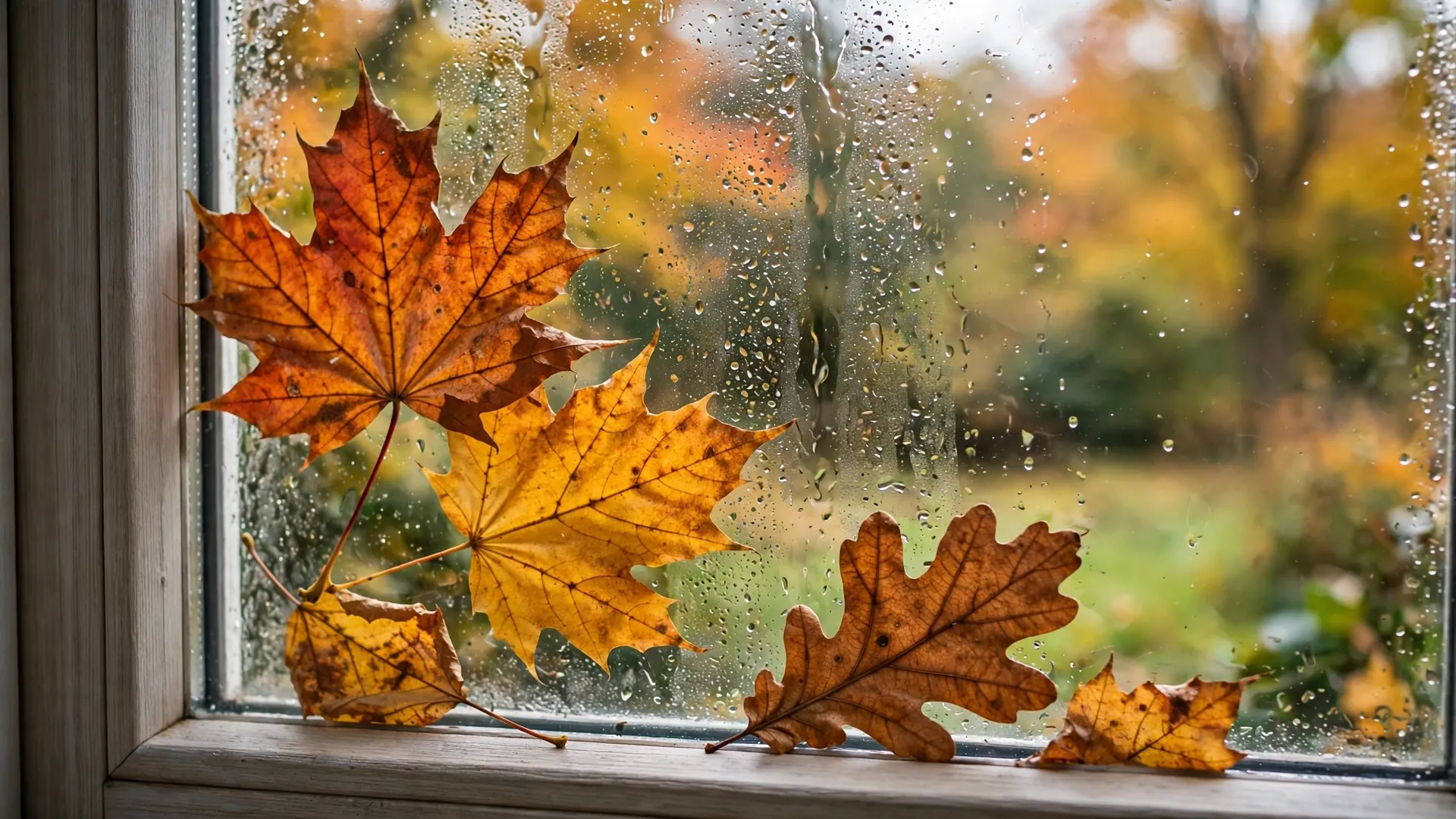
Fall cleaning earns its keep
Fall is the most underrated season for window cleaning. Summer leaves its own signature on glass: dust baked on by heat, insect spots, sprinkler mineral deposits, and a fine haze that builds up over months of open windows. A fall visit clears all of it before winter, when short days and low sun angles make dirty glass far more noticeable from inside the house.
There is a practical argument too. Fall schedules tend to be more open than spring, so booking is easier and you have more choice of days. Leaf debris collects in tracks and against sills in autumn, and cleaning those parts now means they do not sit wet and compacted through winter. For homes that get one professional visit a year and missed spring, fall is the visit to book, not a consolation prize. Pair it with an exterior window cleaning pass and the whole shell of the house heads into winter clean.
Summer: heat is the main opponent
Summer cleaning works fine as long as the heat is respected. The enemy is direct sun on hot glass, which evaporates cleaning solution mid pass and leaves residue that reads as streaks. Professionals handle this by working the shaded side of the building first, starting early in the morning, and keeping sections small so nothing dries before the squeegee reaches it. Water fed poles with pure water systems help here too, since the filtered rinse dries spot free even in warm air.
Interior glass does not care about the season at all, which makes summer a good time for interior focused visits, especially in homes where winter condensation has left its mark on bedroom and bathroom windows. For businesses, summer is peak season for storefront washing routes, because foot traffic is high and clean glass is part of the welcome. If your main concern is maintenance rather than a deep reset, summer is a perfectly good time to schedule.
Winter: possible with planning
Winter has a reputation as the off season, but that reputation is only half earned. The interior side of your windows can be cleaned in any weather, and winter is actually a smart time for it: heating systems circulate dust that settles on interior glass, condensation leaves mineral traces on sills, and you spend more hours looking out through the panes. An interior visit in January can transform how a home feels.
Exterior work in winter comes down to temperature and common sense. On mild, dry days above freezing, exterior cleaning proceeds normally. Near or below freezing, water can ice on the glass and on walking surfaces, so professionals will reschedule the exterior portion rather than force it. Ladders on frozen ground and hoses near walkways are not worth the risk. If you book in winter, expect the company to watch the forecast and be honest about which days suit exterior work.
Time it around pollen, not against it
Pollen deserves its own mention because it causes more re cleaning than any other seasonal factor. Tree pollen in spring and grass pollen in early summer lay a fine yellow green film on exterior glass, and they load up screens even faster. Cleaning the glass without washing the screens is a short lived victory: the first breeze moves pollen from the screen back onto the pane.
The strategy is sequencing. Wait until the heaviest local pollen drop has passed, then book a visit that includes screen washing. After that, a light rinse of the exterior glass with a garden hose a few weeks later can extend the results, as long as the water does not carry minerals from a sprinkler system. If someone in the household deals with allergies, clean screens pull double duty: less pollen on the glass and less pollen drifting in through open windows.
Rain does not ruin clean windows
One myth worth retiring is that rain immediately dirties freshly cleaned windows. Rainwater itself is fairly pure. The spots people blame on rain usually come from what the rain carries: dust sitting on frames, grime pooled in tracks, and splash from soil and sills. When the whole window unit is clean, rain sheets off and leaves little behind. When only the glass was washed, the first rain mobilizes everything around it and the glass takes the blame.
This is another argument for full cleanings in spring and fall rather than glass only washes. Clean frames, tracks, and sills mean the next rain is mostly harmless. If you want the longest lasting result from any season, choose the scope that includes the parts around the glass, and browse the full range of options on our services page to see what each visit covers.
Pick the season that fits your glass, not the calendar on your wall. For most properties that means spring for the full reset and fall for the second pass, with interiors anytime. To line up a visit at the right moment, request a free quote and mention the season you have in mind.